Why You Need to Know About miniature aussiedoodle?
Aussiedoodle Breed Guide: Personality, Adult Size, Life Expectancy, Puppy Costs and Care Requirements
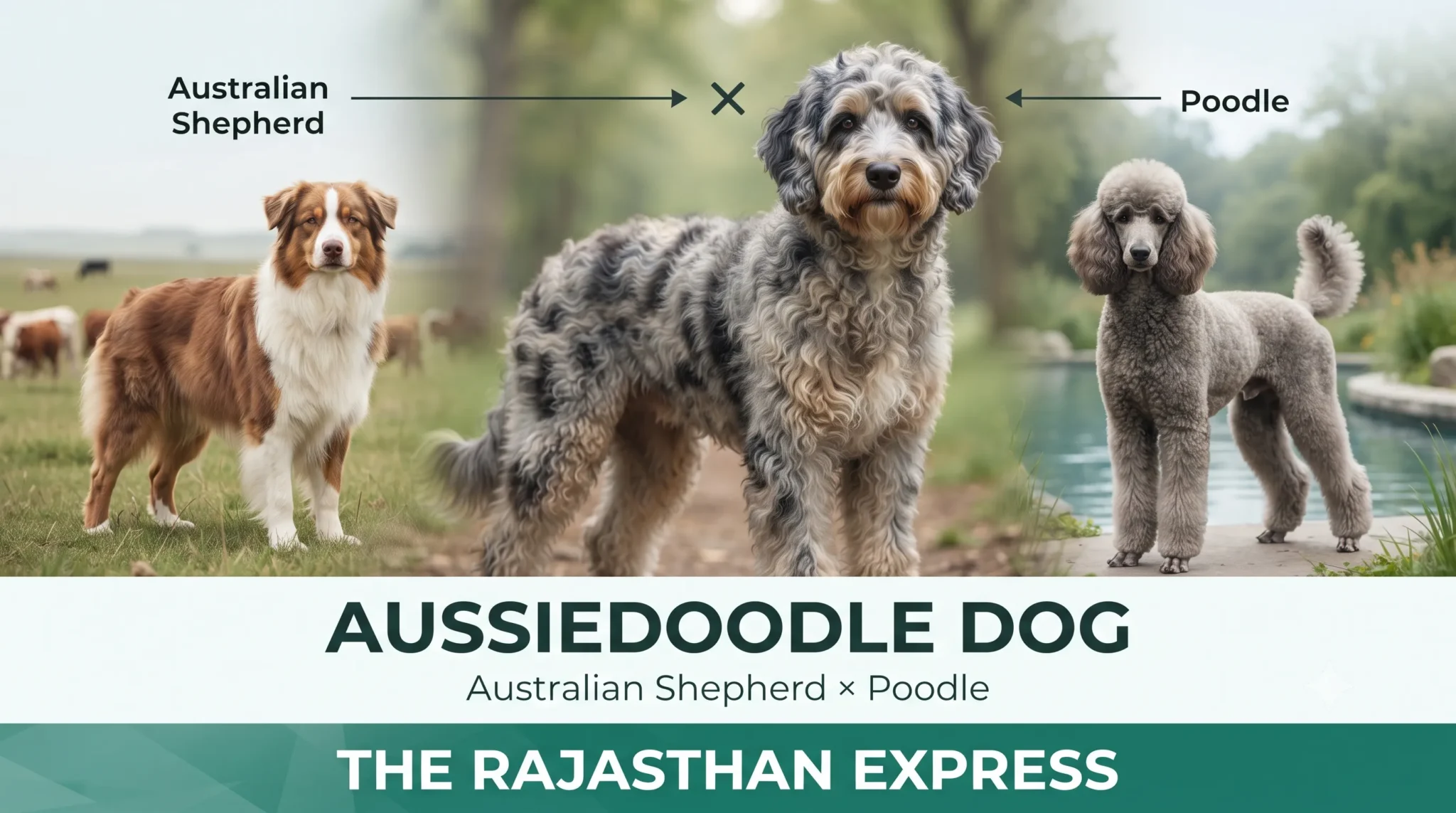
The Aussiedoodle dog is an intelligent, affectionate and energetic designer dog created by crossing an Australian Shepherd with a Poodle. Recognised for its playful personality, attractive coat and strong attachment to family members, this crossbreed has become more widely appreciated among dog enthusiasts. Aussiedoodles can be found in different sizes, including standard, miniature and toy types. Their physical characteristics, temperament and coat-care needs can differ significantly depending on their inherited traits. Whether looking into young Aussiedoodles or adopting an adult dog, becoming familiar with their personality, activity needs, potential health concerns and lifetime expenses is necessary for ensuring responsible ownership.
What Makes an Aussiedoodle?
An Aussiedoodle, also known as an Aussiepoo or Aussiepoodle, inherits characteristics of the Australian Shepherd and Poodle. The Australian Shepherd passes on herding instincts, athletic ability and alertness, while the Poodle contributes quick learning ability, responsiveness to training and potentially reduced shedding. However, genetic inheritance can vary, meaning young dogs from one litter can grow into dogs with varying physical features and temperaments. Aussiedoodles are hybrid dogs rather than formally recognised purebreds. Their recognition increased alongside rising demand for designer companion dogs during the closing decades of the twentieth century and beginning of the twenty-first. Today, they are especially popular with active households seeking an engaging companion.
Aussiedoodle Temperament and Personality
The typical Aussiedoodle personality is loving, clever, lively and particularly receptive to attention from people. These dogs commonly develop strong emotional connections with their families and appreciate joining everyday routines. Many are enthusiastic learners, making reward-based obedience training especially beneficial. Their Australian Shepherd ancestry may produce natural herding tendencies, including chasing movement or trying to herd nearby animals. Socialisation from puppyhood helps puppies develop confidence around unfamiliar people, environments and pets. Because Aussiedoodles require considerable attention and stimulation, extended periods alone can lead to excessive barking, restlessness or destructive chewing. Each dog's temperament nevertheless reflects genetics, upbringing and experience.
Characteristics of Miniature Aussiedoodles
The small-sized Aussiedoodle is popular among owners who prefer a smaller companion without sacrificing intelligence or enthusiasm. A miniature Aussiedoodle commonly stands approximately 12 to 18 inches at the shoulder and weighs around 15 and 40 pounds, although individual measurements vary. These dogs typically inherit their smaller proportions through Miniature Poodle ancestry. Despite their manageable size, they remain energetic and benefit from consistent physical activity, training and mental enrichment. A mini Aussiedoodle may be suitable for a property with limited space when its daily activity requirements are properly addressed. Potential owners should keep in mind that miniature does not automatically indicate calm or low-maintenance.
Full Grown Aussiedoodle Size and Physical Appearance
A mature Aussiedoodle can vary considerably in height and weight depending on its parental traits. Standard varieties often measure approximately 18 to 25 inches at the shoulder and have an adult weight of around 40 and 70 pounds. Toy varieties are noticeably more compact, while miniature dogs generally sit within the intermediate size range. Most Aussiedoodles display athletic bodies, expressive eyes and soft coats that may be smooth, gently wavy or tightly curled. Common colours include blue merle, red, chocolate, cream and black, along with combinations featuring white or tan markings. A dog's eventual proportions cannot always be determined precisely from a puppy's early appearance, so information about both parents' size provide useful guidance.
Aussiedoodle Puppies and Early Training
Raising Aussiedoodle puppies demands patience, consistency and a structured routine. The first stages of puppyhood should include positive exposure to different household sounds, people, surfaces and suitable social situations. Encouragement through rewards supports appropriate behaviour while building confidence and trust between puppy and owner. Basic commands such as sitting, staying and coming when called establish an essential starting point for later learning. An young Aussiedoodle also needs access to suitable chewing toys, monitored playtime and regular opportunities to rest. Toilet training should start during puppyhood, with frequent opportunities to relieve themselves outside. Puppies benefit from activity suited to their development rather than strenuous exercise schedules, because their developing joints require protection.
Daily Activity Needs of Aussiedoodles
Aussiedoodles generally have high energy levels and enjoy activities that engage them physically and mentally. Fit adult Aussiedoodles may enjoy approximately 60 to 90 minutes of daily activity, adapted according to body size, physical condition, age and guidance from a vet. Walking, supervised running, retrieving games and suitable agility activities can help meet their activity needs. Mental enrichment is just as essential because intelligent dogs may become frustrated when their environment lacks variety. Interactive feeding puzzles, scent-based games and brief obedience lessons help reduce boredom. Owners should increase exercise intensity carefully and observe their dog's comfort. Regular physical and mental enrichment supports balanced behaviour and can reinforce the bond between an Aussiedoodle and its family.
Aussiedoodle Grooming and Coat Maintenance
Although some Aussiedoodles inherit relatively low-shedding coats, their grooming responsibilities can be considerable. Coats with curls or waves may become badly tangled without consistent brushing. Grooming the coat several times a week, and sometimes daily, helps keep the fur healthy and reduces tangled patches. Regular visits to a professional groomer may also be necessary depending on hair length and texture. Routine care should include examining the ears, maintaining nail length, brushing teeth and checking for skin irritation. Owners should also understand that, no Aussiedoodle is certain to avoid triggering allergies. People with canine-related allergies may be sensitive to proteins in dog saliva, shed skin particles full grown aussiedoodle and other allergens regardless of the amount of hair the dog loses.
Aussiedoodle Lifespan and Common Health Concerns
The average Aussiedoodle life expectancy is commonly placed at 10 to 15 years, although longevity varies on genetics, veterinary care, nutrition and lifestyle. Health conditions that may be inherited include hip dysplasia, eye disorders, epilepsy and certain medication sensitivities. Careful breeding programmes should include consideration of relevant genetic screening, joint assessments and eye examinations. Merle-patterned coats needs special consideration because mating two dogs carrying the merle gene can increase the risk of significant hearing difficulties and eye abnormalities in offspring. Consistent veterinary assessments, appropriate vaccinations, parasite prevention and maintaining a healthy body weight are essential at every life stage. Owners should also offer a balanced, nutritious diet appropriate to the dog's life stage, body size and exercise requirements.
Aussiedoodle Puppies for Sale and Buying Considerations
Families exploring Aussiedoodle puppies for sale should prioritise responsible breeding practices rather than coat colour or exceptionally cheap offers. Breeders should share reliable details about the parents' health, the puppies' environment, veterinary checks and early development. Seeing the young dog in person and, whenever practical, its mother can help potential buyers understand the puppy's behaviour and general well-being. Anyone interested in a miniature Aussiedoodle puppy for sale should be wary of unrealistic guarantees concerning eventual height and weight, compatibility with allergies or expected personality. Purchase prices can vary widely according to location, breeding standards, parental health testing and additional considerations. Buyers must also plan financially for food, grooming, training, veterinary treatment and equipment over the dog's years of ownership.
Should Your Family Choose an Aussiedoodle?
An Aussiedoodle can become a wonderful companion for households that enjoy active routines and spending plenty of time with their pets. These dogs often thrive when welcomed into household routines and given opportunities to learn. They may settle comfortably with children and other animals when introductions, training and supervision are appropriate. However, their quick minds, coat-care needs and possible herding instincts can challenge inexperienced owners. People considering either a standard or miniature variety should realistically assess their available time, financial resources and ability to provide consistent care before deciding to adopt or buy.
Understanding Aussiedoodle Ownership
The Aussiedoodle dog blends intelligence, affection and athletic ability in a distinctive crossbreed companion. From the energetic standard dog to the smaller mini Aussiedoodle, each variety has individual characteristics and care requirements. Understanding adult size, grooming responsibilities, health risks and early training needs helps future owners choose responsibly. With ethical breeding practices, suitable physical activity, reward-based training and consistent veterinary care, an Aussiedoodle can become a devoted and enjoyable family companion for a substantial part of its life.